
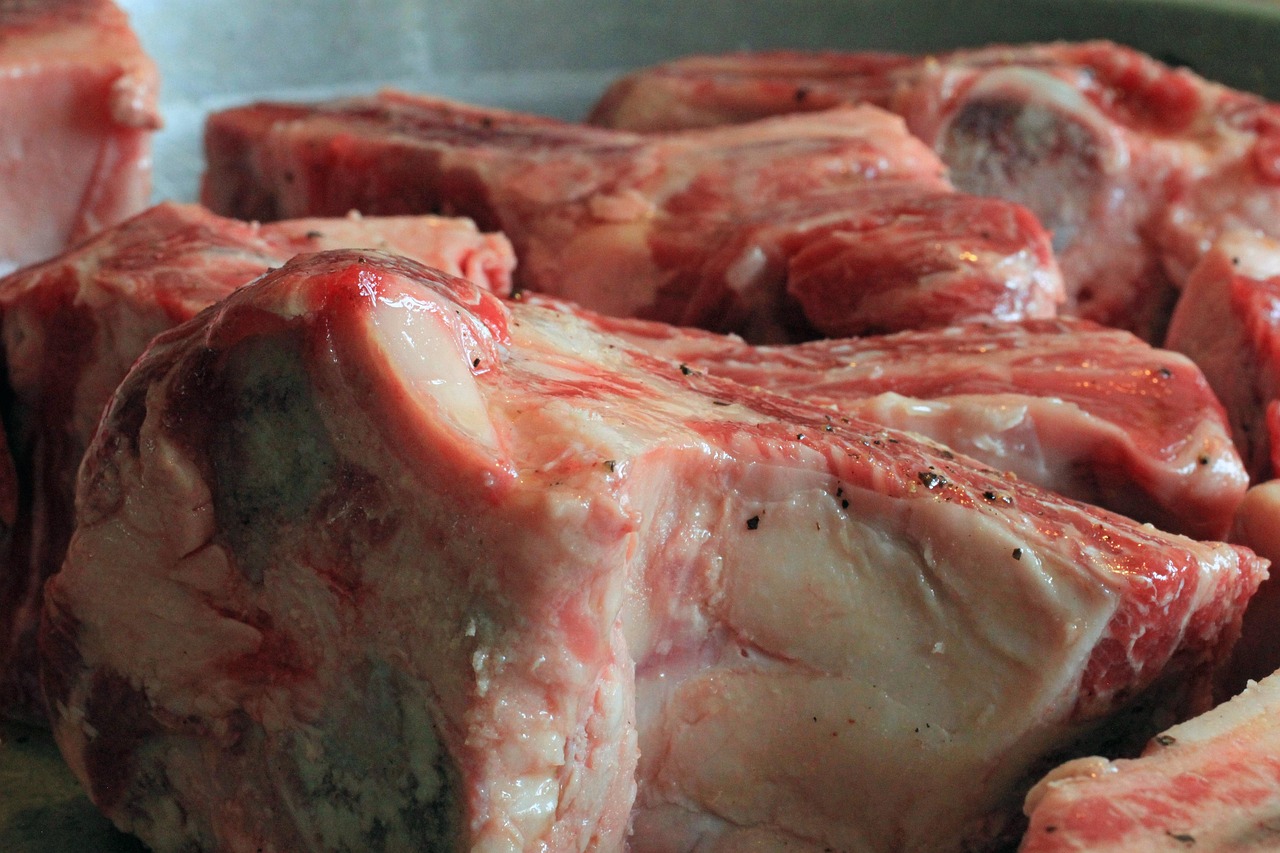
Maximizing beef bones is a masterclass in zero-waste cooking, transforming what many consider “scraps” into nutrient-dense pantry staples. To truly use every part, you must look beyond the initial simmer.

1. The Golden Extraction
Gather your mix of “meaty” bones (short ribs, oxtail) for flavor and “joint” bones (knuckles, feet, necks) for maximum gelatin.
Roast the raw bones at 400°F–450°F for 20–30 minutes until deeply browned. This step is the secret to a rich, dark color and complex flavor. You may remove the bone marrow at this point to spread on toast, or leave it in to be “melted” into the broth as it cooks.
Place the roasted bones in your pressure cooker (I do not add any other ingredients, as I like a basic broth that can be used for many recipes). Fill with cold water and pressure cook at high pressure for 2 hours. Allow the pressure to naturally release.

Remove the pressure-cooked bones to a plate and allow them to cool.

Strain the broth through a fine-mesh sieve into a separate bowl to remove any large solids. Allow the bits of bone marrow to strain through, if you kept it, as this creates a very rich broth (and what else are you going to do with it at this point?)
The broth can now be used for soups, rice, gravies, beans, or as a filling, high-protein drink. The possibilities are endless!
2. Remove the Meat from the Bones
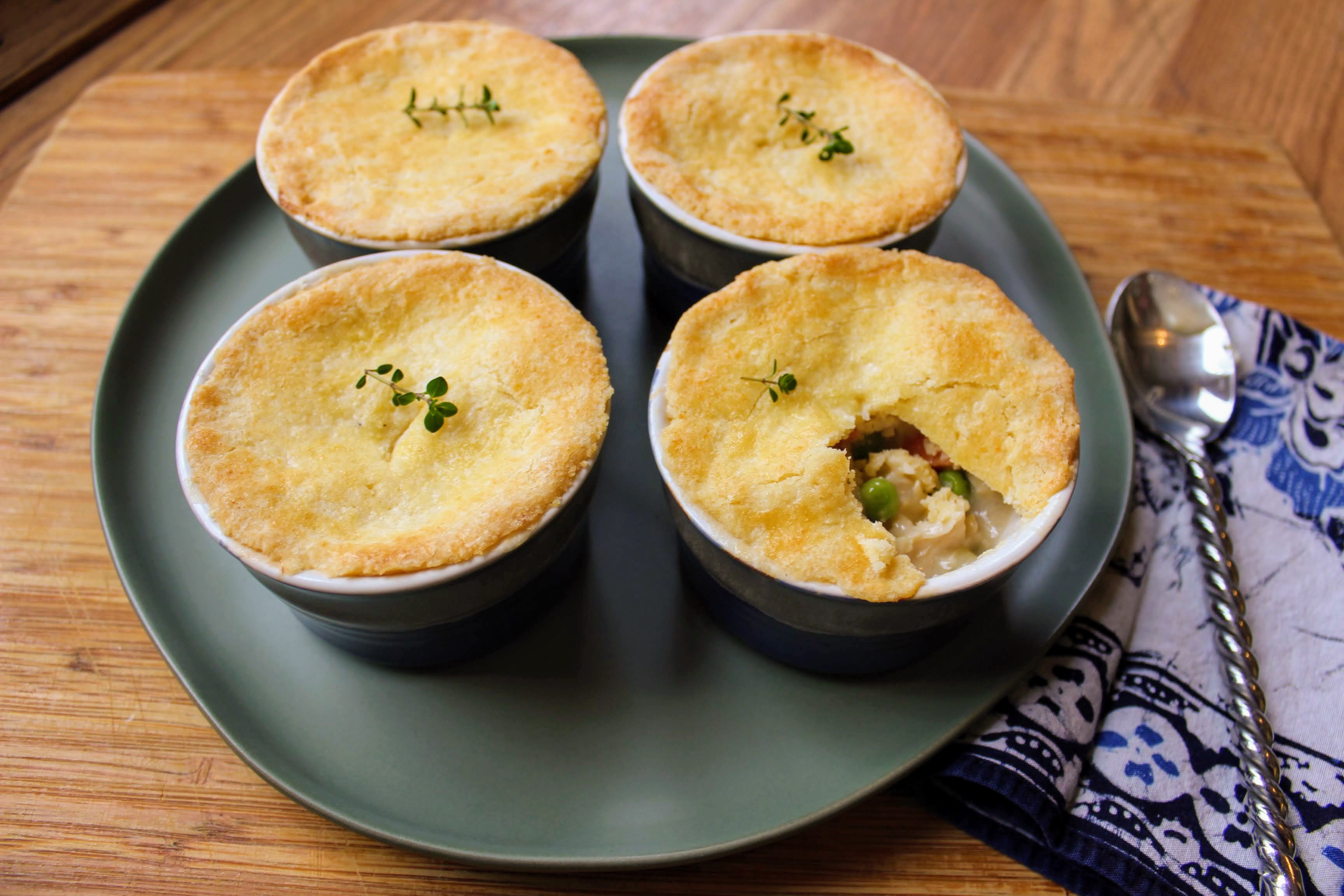
Tear off any small bits of meat to be saved for quesadillas, soups, pot pies, or whatever you like! It’s not much, but it is very tender and delicious.

3. Salvage the Tallow
As the broth cools, a layer of fat will rise to the top and solidify. Do not discard this! This rendered beef fat (tallow) can be used for roasting vegetables or searing meat, adding a professional depth of flavor to your everyday cooking.

Remove the layer of fat and simmer it on the stovetop to remove any residual moisture. Strain it through cheesecloth into a clean jar and store in the refrigerator.


4. Give the Larger Bones to Your Dog (if applicable!)
The large bones are still very sturdy and great for dogs. Argos, my big Chonker, can chew on them for months!

5. The Final Act
Even after the flavor is spent, the remaining “mushy” bones can be pulverized into garden fertilizer if they have been simmered long enough to become brittle. Be sure to let the bones dry completely before blending in a high-speed blender.
When you commit to a no-scraps kitchen, you stop seeing “waste” and start seeing ingredients. Achieving a zero-waste beef cycle means every trimming, fiber, and drop of fat is diverted from the bin and onto the plate.

Leave a Reply